
The Growth Ecosystem Weather Report
Capital drought or passing showers? A mid-2023 look at European venture funding, valuations and the role of venture debt.

Capital Drought or Passing Showers?
Navigating the stormy seas of the growth ecosystem, the first half of 2023 sees us caught in even stronger gales than last year. Yet, fleeting glimpses of calm prompt a question: are we seeing a break in the storm, or merely resting in the hurricane's deceptive eye?
The heart of the storm: capital drought
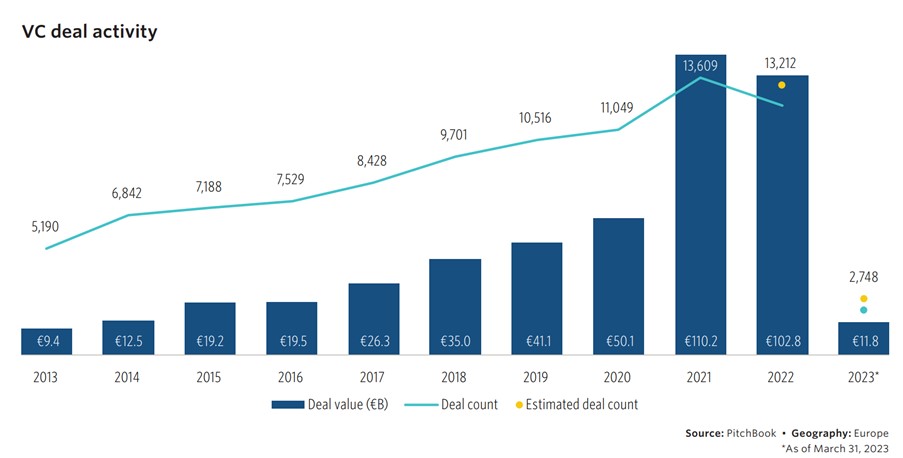
Capital deployed in Europe this year, courtesy of Pitchbook: if this trend continues, we're headed for an annualized drop of over 50%. In the midst of this cold front, there's a beacon of warmth - we've simply navigated back to the more comforting shores of 2020.
The fog of valuations
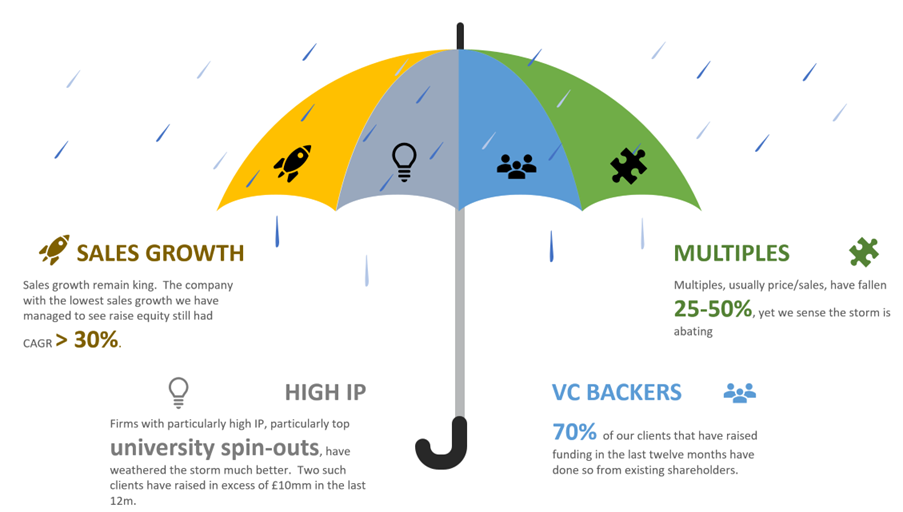
Public data from caplight showed secondary market valuations tumbling 41% from the last funding round. Our lending to ~20 startups a month offers a unique barometer on the UK market:
Safe harbour in venture debt?
In light of the looming shadows of down-rounds and shrinking valuations, many entrepreneurs are seeking refuge in venture debt. Demand has boomed like a thunderstorm. The biggest cloud on the horizon? A dire shortage of debt capital for startups.
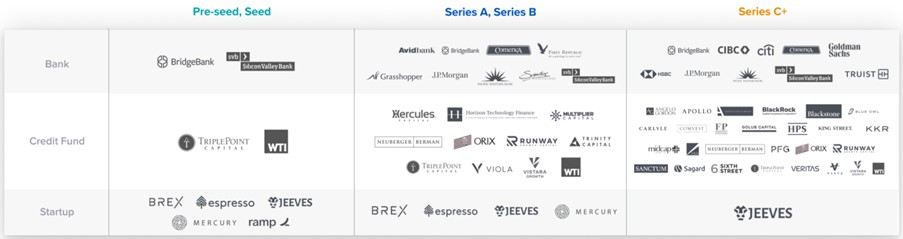
The US venture debt market remains resolutely sunny, per Andreessen Horowitz:
The UK venture debt climate, by contrast, looks like a light damp drizzle:
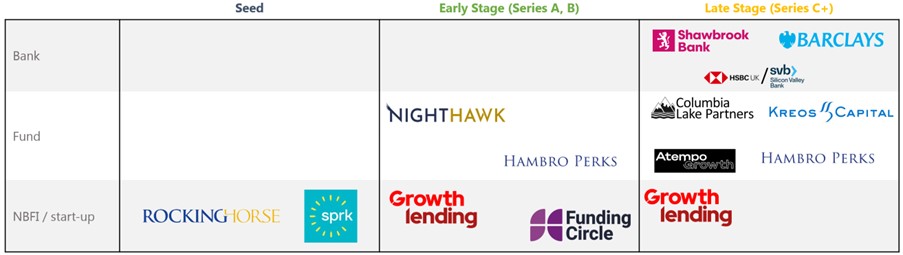
In terms of venture debt availability, the UK and Europe aren’t merely facing a drought - we're more like cacti in the Sahara.
Silver lining: venture debt is growing fast
While venture debt might not be as abundant as rain in a monsoon for every start-up, it's growing fast. This burgeoning asset class strikes a balance between cost, maturity and dilution. For investors, it provides safer passage to the most promising start-ups in the market.
A typical termsheet:
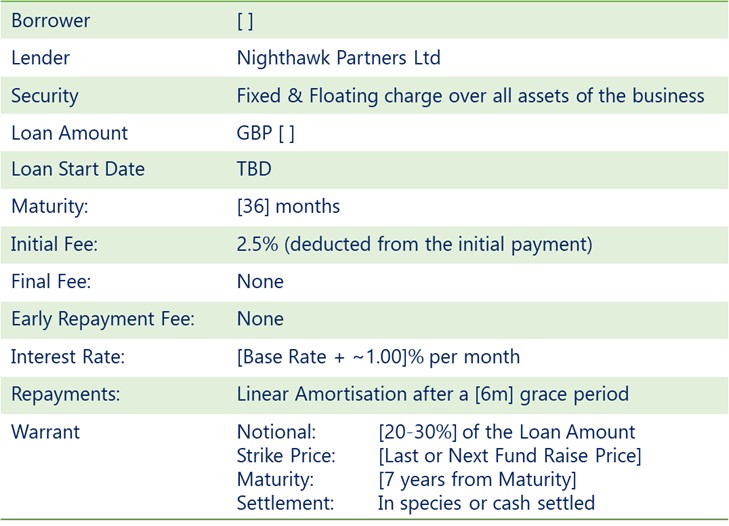
Interest rates vs. warrants: a balancing act - in the end the price is almost always the same; do you buy now and pay later, or pay now and gain later?
Maturity: as a rule of thumb, the longer the maturity, the more expensive the debt. Most venture debt is amortising.
Is venture debt for you?
You'll typically need revenues of at least £100k/month and at least 6 months of track record or contracted revenues for the next 12 months. For R&D loans, we may also consider operating margin, sales growth, cash runway, debt ratios, and the company's approach to ESG and transition to Net Zero.
If your business is shivering in the cold and needs a warming shot of liquidity, do get in touch.